




Gel break / breaking

Gel breaking in drilling refers to reducing the gel strength (viscosity) of drilling mud after it has been stagnant, or, in a different context, the chemical…
Gel breaking in drilling refers to reducing the gel strength (viscosity) of drilling mud after it has been stagnant, or, in a different context, the chemical…
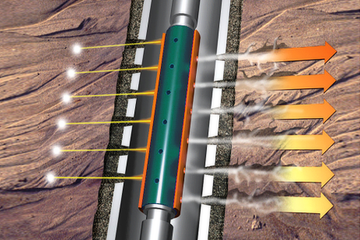
In drilling, perforation is creating holes through the cemented casing and into the oil/gas formation to establish flow paths, allowing hydrocarbons to enter the wellbore for production, done…
In drilling, a hermetic test (or hermetical test) is a critical pressure test to ensure the production casing or wellbore is completely sealed, preventing fluid and pressure leaks into…
A trip tank in oil and gas drilling is a small, calibrated tank used to precisely measure drilling mud volume when running pipe in or out…
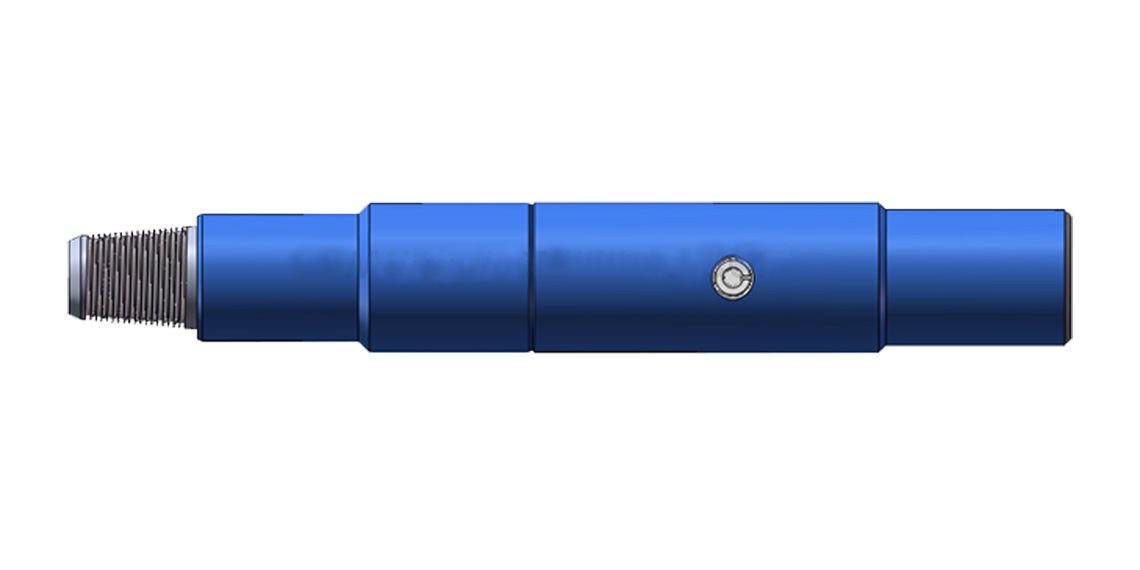
A Full Opening Safety Valve (FOSV), also known as a TIW valve, is a crucial, manual, ball-type valve used in oil and gas drilling to stop hazardous…
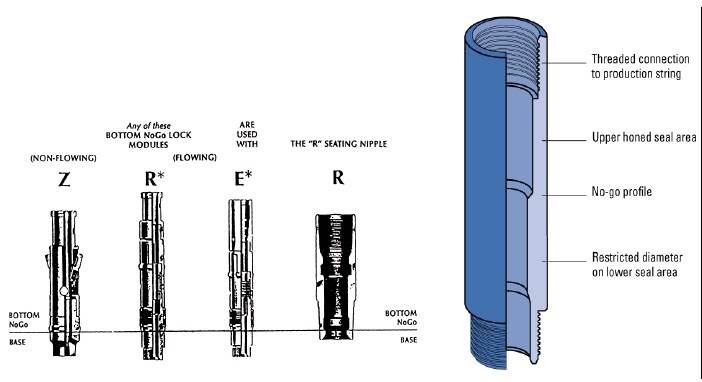
A flow coupling (or blast joint) in oil & gas is a heavy-walled tubular component installed in a well’s production string to protect against erosion from…
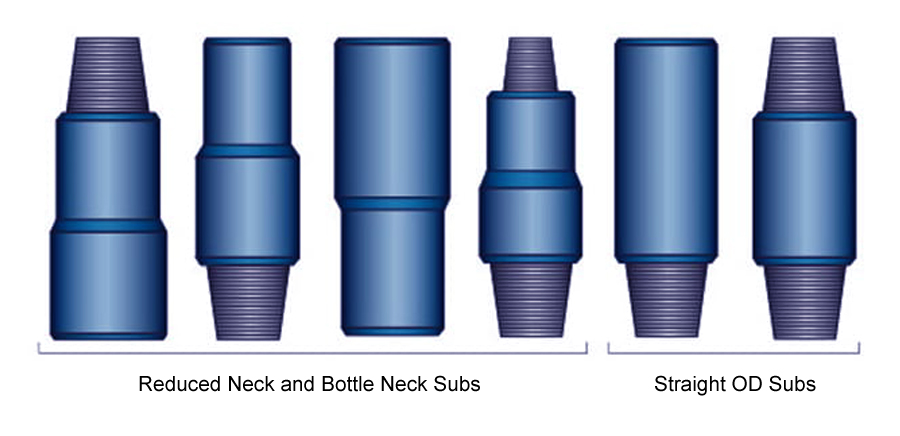
Crossover subs, are crucial tubular components in drilling operations that adapt different connection types or sizes within the drill string, allowing drill pipe to connect to…
A drill string is a long column of interconnected steel pipes and tools, extending from the drilling rig to the drill bit, used in oil, gas,…
A pup joint is a short, non-standard length of pipe (casing, tubing, or drill pipe) used in oil & gas operations to precisely adjust the total…
In drilling, a casing scraper is a downhole tool with blades that cleans the inside of wellbore casings by removing obstructions like scale, cement, rust, burrs, and debris,…